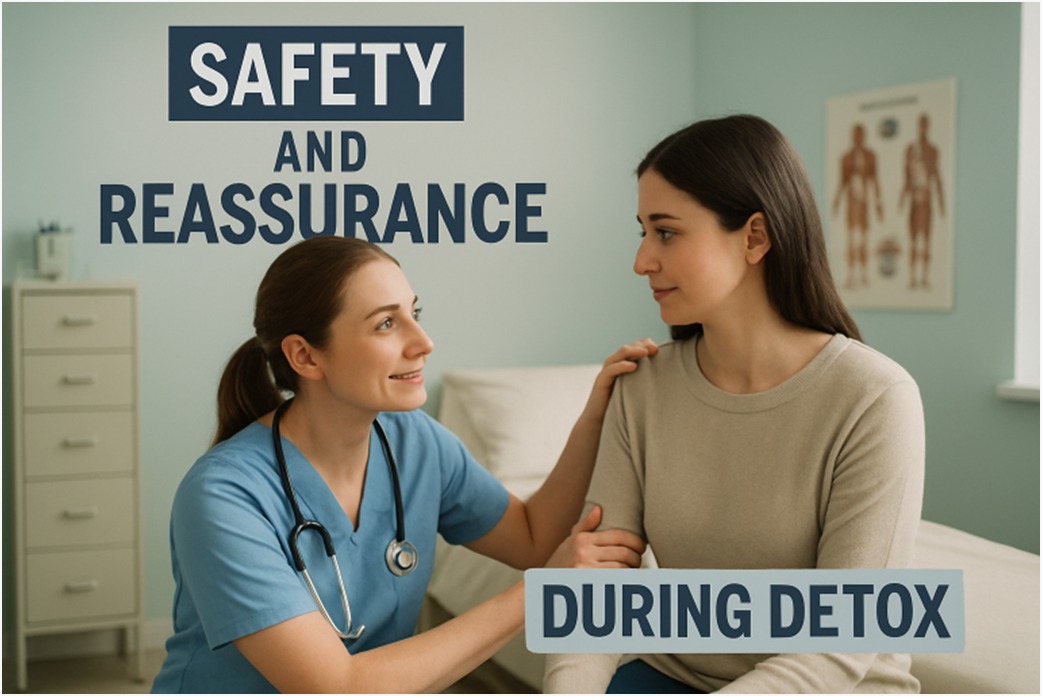
Effective addiction treatment begins with a simple but important understanding: addiction is not a character flaw, and recovery is not something a person should have to accomplish through willpower alone. Substance use can affect physical health, emotional well-being, relationships, mental health, and everyday stability. For that reason, meaningful recovery requires more than stopping substance use. It requires compassionate support, professional care, practical coping skills, and a treatment plan that recognizes the individual behind the addiction. Comprehensive addiction services can bring these elements together, helping people move from immediate stabilization toward lasting recovery and a renewed sense of purpose.
At Addictions.Services, the approach centers on personalized care that can include medically supervised detox, residential addiction rehab, outpatient support, counseling, mental health treatment, holistic wellness, and faith based services for those who want spiritual support as part of their recovery. The emphasis is on addressing the whole person rather than treating addiction as an isolated problem.
What Makes Addiction Treatment Effective?
There is no universal recovery plan because addiction does not look the same for everyone. A person’s substance use history, physical health, mental health, family situation, previous treatment experiences, and personal goals can all influence what type of care is appropriate.
Effective addiction treatment should therefore be flexible and individualized. Instead of asking someone to fit into a standard program, professionals can assess their needs and create a plan that provides the right level of support.
A Comprehensive Approach to Recovery
Depending on individual circumstances, comprehensive addiction treatment may include:
- Medically supervised detox
- Residential rehabilitation
- Outpatient treatment
- Individual counseling
- Group counseling
- Mental health services
- Relapse prevention planning
- Holistic wellness support
- Faith based care when desired
- Personalized recovery planning
These services address different aspects of addiction. When coordinated effectively, they can create continuity from the first stage of treatment through ongoing recovery.
Detox Provides a Safe Beginning
For many people, detox is the first step toward recovery. During detox, the body adjusts to the absence of drugs or alcohol. Withdrawal can be uncomfortable, and some forms of withdrawal can involve serious medical complications.
Why Professional Detox Matters
A medically supervised detox program can provide monitoring and support throughout withdrawal. Depending on a person’s needs, care may involve symptom management, hydration, nutritional support, medication when clinically appropriate, and emotional reassurance.
However, detox should not be mistaken for complete addiction treatment. Detox addresses the physical process of withdrawal, but it does not automatically change the thoughts, behaviors, emotional patterns, or circumstances that may contribute to substance use.
That is why continuing into rehabilitation and counseling is so important.
Residential Rehab Creates Space for Healing
Residential addiction rehab provides a structured environment where individuals can focus on recovery without managing all of the pressures of everyday life at the same time.
This structure can be especially valuable for people who need a higher level of support or who are surrounded by triggers that make early recovery difficult.
Building Healthy Daily Routines
Addiction can disrupt sleep, nutrition, relationships, responsibilities, and personal routines. Residential treatment creates an opportunity to rebuild those areas gradually.
A structured program may include:
- Individual therapy
- Group counseling
- Addiction education
- Relapse prevention
- Life skills development
- Wellness activities
These experiences help individuals practice healthier behaviors in a supportive environment before applying those skills to daily life.
Counseling Helps Create Lasting Change
Stopping substance use is an important achievement, but recovery also involves understanding what contributed to addictive behavior. Counseling gives individuals a confidential and supportive place to explore those issues.
Individual Counseling
One on one therapy can help a person examine personal experiences and identify patterns connected to substance use. Counseling may address:
- Addiction triggers
- Stress and emotional regulation
- Unhealthy thought patterns
- Trauma and difficult experiences
- Communication challenges
- Decision making
- Coping skills
- Self awareness
Over time, these skills can make it easier to respond to difficult situations without returning to substance use.
Group Counseling
Group counseling can provide something that addiction often takes away: connection.
Being able to talk with others who understand the challenges of recovery can reduce isolation and encourage accountability. Group settings can also help individuals practice communication, listen to different perspectives, and recognize that setbacks and difficult emotions do not have to be faced alone.
Mental Health Treatment Supports Recovery
Addiction and mental health concerns can overlap in complicated ways. Anxiety, depression, trauma, chronic stress, and other psychological challenges may influence substance use or make recovery more difficult.
Treating Co Occurring Concerns
Effective addiction treatment should consider mental health rather than focusing exclusively on substance use. Integrated support can help individuals understand the connection between emotional well-being and addictive behaviors.
Mental health care may involve assessments, therapy, behavioral strategies, emotional wellness planning, and other appropriate services. Treating both areas can help individuals develop healthier ways to manage distress.
This is an important part of whole person recovery because sobriety becomes more sustainable when people have practical tools for handling the emotions and circumstances that once contributed to substance use.
Personalized Treatment Respects Individual Needs
Personalized addiction treatment is one of the most important characteristics of effective care. Every individual arrives with a different story, and that story should influence the recovery plan.
Treatment Can Adapt as Recovery Progresses
An individualized plan may consider:
- Substance use history
- Physical health
- Mental health needs
- Personal recovery goals
- Family and social relationships
- Previous treatment experiences
- Preferred approaches to healing
Treatment does not have to remain static. As a person develops new skills and becomes more stable, their needs may change. A responsive treatment plan can evolve accordingly.
This flexibility can make treatment more relevant and help individuals remain engaged in their recovery.
Holistic Care Encourages Whole Person Wellness
Recovery involves more than avoiding substances. It also involves learning how to care for the body, manage stress, build healthy relationships, and find meaning in everyday life.
Supporting Mind, Body, and Spirit
Holistic approaches can complement traditional addiction treatment by encouraging healthier habits and greater balance.
Depending on individual preferences, holistic support may include:
- Mindfulness and meditation
- Stress management
- Nutrition education
- Physical wellness
- Relaxation practices
- Spiritual or faith based support
Faith based care can be meaningful for people who want spirituality to be part of their recovery. Effective care should respect individual beliefs rather than assuming that everyone will benefit from the same approach.
Preparing for Life After Treatment
Recovery does not end when detox or residential treatment is completed. Returning to everyday life can bring new pressures, responsibilities, relationships, and triggers.
For that reason, effective addiction treatment should prepare individuals for what comes next.
Developing a Personal Recovery Toolkit
A strong recovery plan can help individuals learn how to:
- Recognize personal triggers
- Manage cravings
- Respond to stress
- Maintain healthy routines
- Build supportive relationships
- Continue counseling when appropriate
- Ask for help before a crisis develops
These practical skills can provide confidence during the transition from structured treatment to independent living.
What Compassionate Treatment Really Means
Professional addiction treatment should be clinically responsible, but it should also be compassionate. People struggling with addiction may already carry shame, guilt, fear, or disappointment. Judgment rarely creates the conditions needed for meaningful healing.
Compassionate care means listening to the individual, respecting their experiences, recognizing their strengths, and providing guidance without reducing them to their addiction.
A client centered approach can help people feel seen as individuals rather than defined by a diagnosis or substance use history.
Recovery and Renewal Are Possible
Effective addiction treatment is not simply about getting through detox or completing a rehab program. It is about creating the foundation for a healthier life.
Detox can provide a safer beginning. Residential rehab can create structure. Counseling can support emotional and behavioral change. Mental health treatment can address co occurring concerns. Holistic care can encourage healthier living, while personalized planning helps ensure that treatment reflects the individual’s needs and goals.
At Addictions.Services, comprehensive care is built around the understanding that recovery is personal. With professional guidance, compassionate support, and an individualized treatment plan, people can begin moving beyond addiction and toward greater stability, confidence, and hope.
If you or someone you care about is struggling with addiction, reaching out for professional support can be the first step toward meaningful change. You do not need to have everything figured out before asking for help. The right treatment team can help you understand your options, identify an appropriate level of care, and begin building a recovery plan designed around your life.