From Detox to Daily Renewal: What to Expect in a Compassionate Addiction Recovery Journey

Recovering from addiction is not a single event; it is a journey that requires patience, professional guidance, and a supportive environment. At Addictions.Services, we understand that every individual’s path to recovery is unique. From the initial detox phase to establishing a renewed daily life in sobriety, our residential and outpatient programs provide the tools, care, and holistic support needed to build lasting change.

Understanding the First Step: Medically Supervised Detox

Detox is often the first step in a recovery journey. This process allows the body to safely eliminate harmful substances under professional supervision. Detox can be challenging physically and emotionally, but it is a necessary foundation for meaningful treatment. At Addictions.Services, medically monitored detox ensures client safety, minimizes withdrawal discomfort, and prepares individuals to fully engage in the next stages of recovery.

The Importance of Individualized Care During Detox

Every person experiences detox differently. Our team provides individualized care plans tailored to the client’s health needs, substance use history, and mental health considerations. This personalized approach allows for a smoother transition into therapy and reduces the risk of early relapse.

Building a Strong Foundation: Therapy and Counseling

After detox, therapy becomes the cornerstone of recovery. Residential programs offer intensive one-on-one and group therapy sessions. Individual counseling addresses personal triggers, coping strategies, and underlying mental health challenges. Group sessions create a sense of community and accountability, helping clients realize they are not alone in their journey.

Addressing Co-Occurring Mental Health Conditions

Many individuals entering addiction treatment also face mental health challenges such as anxiety, depression, or trauma. Integrated care ensures that both addiction and mental health conditions are addressed simultaneously, improving long-term outcomes and equipping clients with skills to manage their well-being.

Holistic Approaches for Mind and Body Renewal

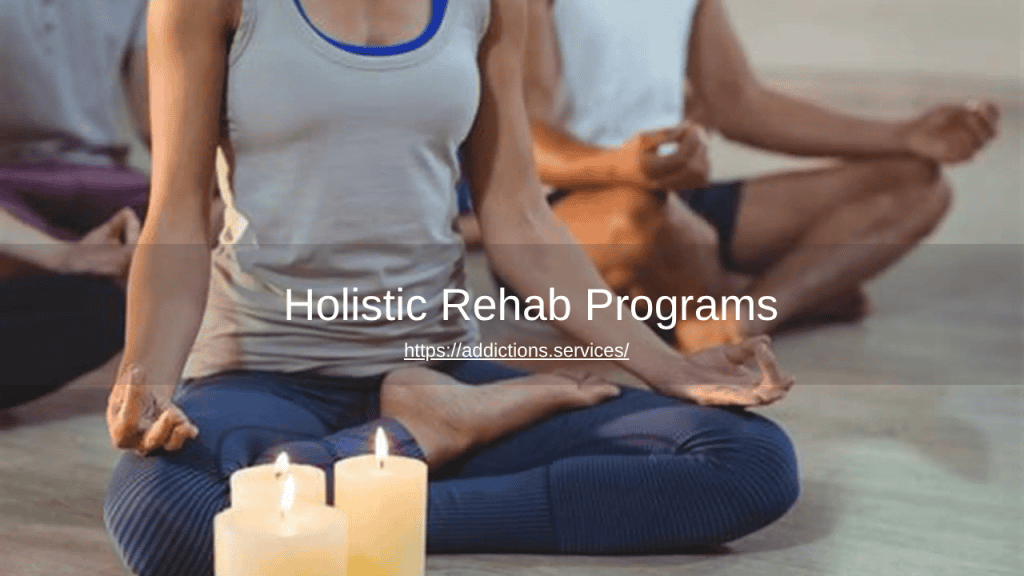
Recovery is more than abstaining from substances. At Addictions.Services, holistic approaches are incorporated into daily routines to support overall well-being. Mindfulness exercises, yoga, nutrition guidance, and creative therapies help clients reconnect with their bodies and emotions. Faith-based support is also available for those seeking spiritual guidance, providing an additional layer of comfort and motivation.

Developing Healthy Daily Habits

A key part of residential and outpatient care is learning to build structured, healthy routines. Daily renewal in recovery involves establishing positive habits, managing stress, and fostering relationships that support sobriety. Practicing these habits in a safe and supportive environment increases the likelihood of long-term success.

Moving Forward: Transitioning to Life Beyond Rehab

Recovery is an ongoing process. After completing a residential program, many clients transition to outpatient care, continued counseling, or support groups. This step ensures that progress continues outside the structured environment, and clients can apply the skills they have learned in real-world settings.

Taking the Next Step Toward a Compassionate Recovery

Addictions.Services provides a full spectrum of care designed to guide individuals from detox to lasting daily renewal. Our compassionate, client-centered programs combine therapy, holistic support, and faith-based guidance to create a personalized path to recovery.

If you or a loved one are ready to take the next step toward a healthier, balanced, and sober life, reach out to Addictions.Services today. Every journey begins with a single choice to prioritize healing and well-being.

Why Residential Addiction Rehab Works: A Closer Look at Healing Inside a Supportive Environment

Recovering from addiction is a journey that requires more than willpower—it demands a structured, compassionate, and holistic approach. Residential addiction rehab offers exactly that: an immersive environment where individuals can focus entirely on healing, supported by professional care, therapeutic programs, and peer encouragement. At Addictions.Services, residential treatment goes beyond managing substance use, addressing the mind, body, and spirit to lay the foundation for lasting recovery.

Understanding Residential Addiction Rehab

Residential rehab, also known as inpatient treatment, provides a safe and structured setting where clients live at the facility while participating in comprehensive recovery programs. This format allows for intensive therapy, continuous support, and the removal of environmental triggers that may hinder sobriety.

The Detox Phase: Starting Recovery Safely

The journey often begins with medically supervised detox. Detox helps the body eliminate harmful substances while minimizing withdrawal symptoms. This critical first step stabilizes physical health and prepares clients for emotional and psychological healing. Professional monitoring ensures safety, while supportive care reduces discomfort, allowing individuals to begin therapy with a clear mind.

Structured Therapy and Counseling

Once detox is complete, residential rehab focuses on individualized and group therapy. One-on-one counseling targets personal triggers, thought patterns, and co-occurring mental health challenges. Group therapy fosters community, accountability, and shared growth. For clients at Addictions.Services, dual-diagnosis care is integrated to treat both addiction and underlying mental health conditions simultaneously, improving outcomes and reducing relapse risk.

Holistic and Faith-Based Support

Residential programs at Addictions.Services are not limited to therapy alone. Holistic approaches, such as mindfulness, yoga, nutrition, and creative expression, support physical and emotional healing. Faith-based guidance is also offered for clients seeking spiritual grounding, helping them reconnect with purpose and values during recovery.

The Power of a Supportive Environment

Living in a residential setting removes daily distractions and exposure to triggers, creating a safe space for focused healing. The combination of professional guidance, structured routines, and peer support encourages accountability, emotional resilience, and the development of healthy habits essential for long-term sobriety.

Why Residential Rehab Improves Recovery Outcomes

Residential rehab provides consistency, structure, and a multi-dimensional approach to healing. Clients benefit from:

  • Personalized care tailored to their specific needs
  • Integrated mental health and addiction treatment
  • Holistic therapies that promote physical, emotional, and spiritual well-being
  • A supportive community of peers and professionals

This immersive and compassionate environment significantly improves engagement, reduces relapse risk, and helps individuals rebuild meaningful lives.

Taking the Next Step Toward Recovery

Residential addiction rehab is more than a treatment program—it is a transformative experience that addresses the whole person. At Addictions.Services, every client receives individualized care, combining therapy, holistic practices, and faith-based support to ensure sustainable recovery.

If you or a loved one are ready to begin a journey toward lasting sobriety, contact Addictions.Services today. Taking this first step can lead to a healthier, more balanced, and fulfilling life.

The Power of Individualised Treatment Plans in Addiction Services

Recovery from addiction is not a one-size-fits-all journey. Each person’s experience with substance use, mental health, and life circumstances is unique, making personalized care essential for lasting results. At Addictions Services, individualised treatment plans are at the heart of every program. By tailoring therapy, holistic practices, and support strategies to the needs of each client, these plans empower individuals to achieve sustainable recovery and rebuild meaningful lives.

Why Individualised Treatment Matters

Addiction affects people differently. Factors such as the type and duration of substance use, co-occurring mental health conditions, physical health, family dynamics, and personal goals all influence recovery. A treatment plan that addresses these factors ensures that care is targeted, effective, and relevant to the individual.

Key Benefits of Personalized Care

  • Targeted Therapy: Clients receive counseling and interventions designed to address their specific challenges.
  • Better Engagement: Personalized plans increase motivation and participation in therapy.
  • Reduced Relapse Risk: Tailored strategies help individuals manage triggers and stressors unique to their lives.
  • Holistic Support: Integration of mental, physical, and spiritual care creates a comprehensive approach to healing.

Components of an Individualised Treatment Plan

At Addictions Services, individualised treatment plans combine clinical therapy, holistic interventions, and faith-based support to provide a complete recovery framework.

Clinical and Mental Health Support

  • Assessment: Comprehensive evaluation of addiction severity, mental health, and physical health.
  • Customized Therapy: Cognitive behavioral therapy, dialectical behavior therapy, and other evidence-based interventions are adapted to the client’s needs.
  • Dual-Diagnosis Care: For individuals with co-occurring mental health disorders, therapy addresses both substance use and emotional well-being simultaneously.

Holistic and Faith-Based Approaches

  • Mindfulness and Yoga: Promote emotional regulation, stress reduction, and body awareness.
  • Nutrition and Exercise: Support physical health, energy levels, and overall wellness.
  • Faith-Based Counseling: Provides spiritual guidance and meaning for clients seeking support in their recovery journey.

Inpatient and Outpatient Flexibility

Individualised treatment plans are implemented in both inpatient and outpatient settings, depending on the client’s needs. Inpatient care offers intensive, immersive support, while outpatient programs provide flexibility for those balancing work, school, or family responsibilities.

The Role of Continuous Evaluation

An effective individualised treatment plan is not static. Addictions Services emphasizes regular progress assessments to adjust therapy, support services, and holistic interventions as the client’s needs evolve. This dynamic approach ensures that care remains relevant and effective throughout the recovery journey.

Real Impact on Recovery Outcomes

Clients who receive personalized care often experience greater engagement, improved emotional resilience, and reduced relapse rates. By addressing the whole person—mind, body, and spirit—individualised treatment plans provide a foundation for long-term sobriety and meaningful life changes.

Begin Your Personalized Recovery Journey

Individualised treatment plans transform the addiction recovery experience by providing care tailored to each person’s unique needs. At Addictions Services, compassionate professionals design programs that integrate therapy, holistic practices, and faith-based support, empowering clients to achieve sustainable recovery.

If you or a loved one are ready to experience the benefits of personalized care, contact Addictions Services today. Taking the first step toward an individualized recovery plan is the beginning of a healthier, more balanced, and fulfilling life.

Nutrition, Exercise & Recovery: How Healthy Habits Support Long-Term Sobriety

Recovery from addiction is a journey that touches every part of a person’s life. While therapy, counseling, and medical care are essential, integrating healthy habits like proper nutrition and regular exercise can play a transformative role in long-term sobriety. At Addictions Services, holistic programs combine these wellness practices with evidence-based treatment, faith-based guidance, and individualized care to support comprehensive healing for mind, body, and spirit.

The Role of Nutrition in Recovery

Substance use often disrupts normal bodily functions, depleting essential nutrients and affecting brain chemistry. A balanced diet is crucial for restoring health, supporting cognitive function, and stabilizing mood during recovery.

Key Nutritional Strategies

  • Balanced Meals: Incorporating lean proteins, whole grains, fruits, and vegetables helps repair damaged cells and improve energy.
  • Hydration: Adequate water intake aids detoxification and supports metabolic processes.
  • Supplements: In some cases, vitamins and minerals can help restore deficiencies caused by prolonged substance use.

Proper nutrition not only improves physical health but also enhances mental clarity, emotional stability, and overall resilience.

Exercise as a Tool for Healing

Physical activity is a vital component of holistic recovery. Exercise helps repair the body, regulate stress, and release endorphins, which naturally elevate mood and reduce cravings.

Benefits of Regular Exercise

  • Stress Reduction: Physical activity lowers cortisol levels and mitigates anxiety.
  • Improved Sleep: Exercise promotes better sleep patterns, which are often disrupted in early recovery.
  • Enhanced Mental Health: Endorphin release supports emotional regulation and combats depression.
  • Routine and Structure: Regular exercise encourages discipline and healthy daily habits, reinforcing a sober lifestyle.

Incorporating both aerobic and strength-training exercises can address multiple aspects of physical and mental wellness.

Integrating Healthy Habits into Holistic Recovery

At Addictions Services, nutrition and exercise are integrated into personalized recovery plans alongside therapy, counseling, and holistic practices. Holistic approaches, including mindfulness, yoga, and creative expression, complement these habits by supporting emotional and spiritual growth.

Mind-Body Synergy

Healthy nutrition and regular exercise work hand-in-hand with mental health treatment to stabilize mood, improve focus, and strengthen resilience. Clients practicing mindfulness or meditation while maintaining a balanced diet and exercise routine experience more sustained progress and greater satisfaction in their recovery journey.

Personalized Plans for Every Individual

Recovery is not one-size-fits-all. Addictions Services develops individualized programs that consider a client’s health status, lifestyle, and preferences. By tailoring nutrition and fitness strategies to each individual, clients are more likely to maintain these habits long-term, supporting sustained sobriety.

The Long-Term Impact of Healthy Habits

Building healthy habits during recovery has lasting benefits. Clients report increased energy, better emotional regulation, and improved overall quality of life. Nutrition and exercise also reduce relapse risk by providing coping mechanisms for stress, anxiety, and environmental triggers.

Take the Next Step Toward a Healthier Recovery

Incorporating nutrition and exercise into addiction recovery is not optional—it is essential for lasting success. Holistic programs at Addictions Services help individuals develop sustainable, healthy habits while addressing mental, emotional, and spiritual needs.

If you or a loved one are ready to embrace a comprehensive approach to recovery, contact Addictions Services today. By focusing on the mind, body, and spirit, you can build a foundation for long-term sobriety and a healthier, more balanced life.

From Detox to Renewal: The Comprehensive Journey of Residential Addiction Treatment

Recovering from addiction is more than stopping substance use—it is a journey of transformation, healing, and self-discovery. Residential addiction treatment offers a structured, supportive environment where individuals can focus entirely on recovery. At Addictions Services, residential programs combine clinical care, mental health support, holistic therapies, and faith-based guidance to ensure a comprehensive approach that addresses the mind, body, and spirit.

The Detox Phase: Safely Beginning Recovery

Detoxification is often the first step in residential treatment. This medically supervised process helps the body safely eliminate harmful substances while managing withdrawal symptoms. Detox is essential for stabilizing physical health and preparing individuals for the next phase of recovery.

Why Detox Matters

  • Medical Supervision: Trained professionals monitor vital signs and symptoms to prevent complications.
  • Symptom Management: Medications and supportive care reduce discomfort and promote safety.
  • Foundation for Therapy: Detox clears the way for emotional and psychological healing in the residential program.

Detox is not a cure on its own but the critical first step toward long-term recovery.

Residential Treatment: Structured Support for Lasting Change

Once detox is complete, residential programs provide immersive support designed to help individuals rebuild their lives. Clients live at the facility, participating in daily therapy, group sessions, and holistic activities.

Core Components of Residential Programs

  • Individualized Counseling: One-on-one therapy addresses personal triggers, thought patterns, and mental health needs.
  • Group Therapy: Peer support fosters connection, accountability, and shared learning.
  • Holistic Therapies: Mindfulness, yoga, nutrition, and creative expression support physical and emotional healing.
  • Faith-Based Guidance: Spiritual counseling helps individuals reconnect with purpose and values.

The structured environment allows clients to focus fully on recovery, free from external distractions and triggers.

Integrating Mental Health and Addiction Treatment

Many individuals with addiction also struggle with co-occurring mental health conditions. Residential programs at Addictions Services provide dual-diagnosis care, integrating mental health treatment with substance use therapy. This comprehensive approach addresses underlying emotional challenges, reducing relapse risk and promoting overall wellness.

Benefits of Integrated Care

  • Personalized treatment plans for each client
  • Support for anxiety, depression, trauma, and other conditions
  • Holistic and faith-based therapies to complement clinical care
  • Emphasis on long-term emotional resilience and coping skills

Transitioning to Life After Residential Care

Residential treatment equips clients with the tools, skills, and support needed to maintain recovery after leaving the facility. Outpatient programs, continued counseling, and aftercare services provide ongoing guidance and accountability. This step ensures that the lessons learned in residential care translate into everyday life, reinforcing lasting sobriety.

Why Residential Treatment Works

Residential treatment works because it treats the whole person, not just the addiction. By combining detox, clinical therapy, holistic approaches, and spiritual support, individuals experience a transformation that extends beyond abstinence. Clients gain emotional clarity, physical health, personal insight, and spiritual grounding, all of which contribute to sustainable recovery.

Begin Your Journey Toward Renewal

Residential addiction treatment offers a comprehensive pathway from detox to personal renewal. At Addictions Services, every program is designed to provide individualized, compassionate care that supports mind, body, and spirit.

If you or a loved one are ready to embark on a journey of complete healing, contact Addictions Services today. The first step toward lasting recovery begins with professional guidance, holistic support, and a commitment to treating the whole person.

Faith-Based Healing in Addiction Recovery: Supporting the Whole Person

Addiction recovery is a journey that affects the mind, body, and spirit. While medical and therapeutic interventions are essential, addressing spiritual needs can provide a deeper layer of healing and resilience. Faith-based programs at Addictions Services integrate spiritual guidance with comprehensive addiction treatment, helping individuals recover in a way that honors their beliefs and supports whole-person wellness.

Understanding Faith-Based Addiction Recovery

Faith-based addiction recovery combines evidence-based therapies with spiritual support to treat the whole person. This approach recognizes that many people struggling with addiction seek meaning, hope, and purpose beyond traditional treatment. Incorporating spiritual guidance into recovery provides emotional grounding and encourages personal transformation, which can strengthen commitment to sobriety.

Core Components of Faith-Based Programs

Faith-based rehab programs often include:

  • Spiritual counseling and mentorship
  • Group prayer or meditation sessions
  • Reflection and journaling exercises
  • Integration of ethical and moral guidance into decision-making
  • Supportive community engagement

These practices are combined with standard addiction treatments, such as cognitive behavioral therapy, relapse prevention strategies, and mental health counseling, to create a holistic recovery plan.

How Spiritual Support Enhances Recovery

Spirituality can play a crucial role in recovery by fostering hope, resilience, and a sense of purpose. Engaging in faith-based practices helps individuals confront the underlying emotional and psychological factors that contribute to addiction.

Building Emotional Resilience

Faith-based recovery encourages reflection and self-awareness, helping individuals identify triggers and develop coping strategies rooted in values and beliefs. This emotional grounding reduces stress and anxiety, two common contributors to relapse.

Strengthening Community Connections

Being part of a spiritual community provides support, accountability, and encouragement. Group sessions and mentorship foster meaningful relationships, offering a network of people who understand the challenges of addiction recovery.

Encouraging Personal Transformation

Faith-based programs emphasize not only abstaining from substances but also personal growth and moral development. Clients learn to set positive goals, rebuild trust in relationships, and align their actions with their values, promoting long-term wellness.

Integrating Faith with Holistic and Clinical Care

At Addictions Services, faith-based care is integrated with holistic therapies, including mindfulness, yoga, nutrition counseling, and creative expression. Both inpatient and outpatient programs are available, ensuring flexibility while maintaining structured support. By addressing the mind, body, and spirit simultaneously, clients receive a balanced approach that promotes sustainable recovery.

Why Whole-Person Care Matters

Addiction affects every aspect of life. A treatment plan that neglects spiritual needs may leave a critical component of healing unaddressed. Whole-person care, which combines clinical therapy, holistic practices, and faith-based support, enhances overall well-being, reduces the risk of relapse, and empowers individuals to lead purposeful lives.

Take the Next Step Toward Holistic and Faith-Based Healing

Faith-based addiction recovery at Addictions Services offers compassionate, individualized care that supports healing on every level. By integrating spiritual guidance with clinical and holistic therapies, clients gain the tools, community, and perspective needed to achieve lasting sobriety.

If you or a loved one are ready to begin a journey of complete healing—mind, body, and spirit—contact Addictions Services today. Recovery is not just about overcoming addiction; it is about rediscovering meaning, purpose, and hope for a healthier future.

Addressing Mental Health in Addiction Treatment: Why Dual-Diagnosis Care Matters

Addiction rarely exists in isolation. Many individuals struggling with substance use disorders also face mental health challenges such as anxiety, depression, or trauma-related conditions. Addressing both issues simultaneously is crucial for lasting recovery. At Addictions Services, dual-diagnosis care provides integrated treatment for co-occurring disorders, combining addiction recovery services with comprehensive mental health support. This holistic approach ensures individuals receive the care they need to heal completely—mind, body, and spirit.

Understanding Dual-Diagnosis

Dual-diagnosis refers to the presence of both a substance use disorder and a mental health condition. Research shows that untreated mental health issues can significantly hinder addiction recovery, while substance use can exacerbate underlying psychological challenges. Effective dual-diagnosis care addresses these conditions together rather than treating them separately, allowing for more precise and successful outcomes.

Common Co-Occurring Disorders

Some of the most common mental health challenges seen in individuals with addiction include:

  • Anxiety disorders
  • Depression
  • Post-traumatic stress disorder (PTSD)
  • Bipolar disorder
  • Eating disorders

Recognizing and treating these conditions alongside addiction is essential for reducing relapse risk and improving overall well-being.

The Benefits of Integrated Care

Integrated dual-diagnosis programs combine evidence-based addiction treatments with specialized mental health therapies. This approach allows for personalized care that addresses the root causes of substance use and the emotional or psychological triggers behind it.

Evidence-Based Therapies

Therapies commonly used in dual-diagnosis care include cognitive behavioral therapy (CBT), dialectical behavior therapy (DBT), and trauma-informed care. These methods help individuals identify patterns, develop healthy coping strategies, and build emotional resilience.

Holistic and Faith-Based Support

At Addictions Services, mental health care is integrated with holistic therapies such as mindfulness, yoga, nutrition counseling, and creative expression. Faith-based options are also available for clients seeking spiritual guidance. These approaches support emotional healing, reduce stress, and promote balance, complementing traditional therapy and medical care.

Inpatient vs. Outpatient Dual-Diagnosis Programs

Dual-diagnosis care can be delivered through both inpatient and outpatient programs, depending on the severity of the addiction and mental health needs.

  • Inpatient Programs: Provide 24-hour medical supervision, structured therapy, and immersive support. Ideal for individuals with severe addiction or complex mental health issues.
  • Outpatient Programs: Offer flexibility to continue daily responsibilities while receiving therapy, counseling, and holistic support. Suitable for those with milder addiction or strong support systems.

Both options integrate mental health treatment and addiction recovery to ensure comprehensive healing.

Why Dual-Diagnosis Care Improves Recovery Outcomes

Treating addiction without addressing co-occurring mental health disorders often leads to incomplete recovery and higher relapse rates. Dual-diagnosis care:

  • Identifies underlying psychological triggers
  • Offers integrated treatment plans
  • Provides coping strategies for both addiction and mental health challenges
  • Supports long-term emotional and behavioral stability
  • Promotes a balanced approach to physical, mental, and spiritual well-being

By treating the whole person, dual-diagnosis programs help individuals build resilience and maintain recovery over the long term.

Taking the Next Step Toward Comprehensive Healing

Addiction recovery is most effective when it addresses the full spectrum of a person’s needs, including mental health. Dual-diagnosis care at Addictions Services provides a compassionate, integrated approach that supports lasting healing and personal growth.

If you or a loved one struggle with both substance use and mental health challenges, reaching out for professional support is the first step. Contact Addictions Services today to explore dual-diagnosis programs tailored to your needs and start your journey toward complete recovery.

Inpatient vs. Outpatient Addiction Care: Choosing the Right Path for Your Recovery

Addiction recovery is a deeply personal journey, and choosing the right level of care can significantly impact the chances of long-term success. At Addictions Services, we understand that no two recovery journeys are alike. Our programs offer both inpatient and outpatient care, each designed to meet specific needs while integrating holistic, evidence-based, and faith-based approaches. Understanding the differences between these options can help individuals and families make informed decisions that support sustainable healing.

What Is Inpatient Addiction Care?

Inpatient care, also known as residential treatment, provides intensive, round-the-clock support in a structured environment. Individuals live on-site at the treatment facility for a period ranging from several weeks to months, depending on their needs. This type of care is particularly beneficial for people with severe addiction, co-occurring mental health conditions, or a history of relapse.

Benefits of Inpatient Programs

  • Continuous Support: Clients receive 24-hour supervision and immediate access to medical and therapeutic care.
  • Structured Environment: Daily schedules, therapy sessions, and holistic activities create a stable routine that supports recovery.
  • Focused Healing: Being removed from triggers and negative environments allows individuals to concentrate fully on their healing.
  • Comprehensive Care: Inpatient programs often include detox, counseling, holistic therapies, and faith-based support, addressing the mind, body, and spirit.

Understanding Outpatient Addiction Care

Outpatient care allows individuals to live at home while attending scheduled treatment sessions at a facility. This option is ideal for people with milder addiction, strong support systems, or responsibilities such as work or school. Outpatient programs offer flexibility while still providing access to professional guidance, therapy, and holistic resources.

Benefits of Outpatient Programs

  • Flexibility: Clients can continue daily responsibilities while receiving treatment.
  • Community Integration: Outpatient care allows individuals to practice coping skills in real-life situations.
  • Cost-Effective: Typically, outpatient programs are less expensive than residential care.
  • Tailored Support: Sessions can include individual therapy, group counseling, and holistic practices, personalized to each client’s needs.

Choosing the Right Level of Care

Deciding between inpatient and outpatient care depends on several factors, including the severity of the addiction, mental health considerations, personal responsibilities, and support systems. For many, starting with inpatient care provides a strong foundation, followed by outpatient programs to maintain recovery in the home environment. Others may benefit from outpatient treatment from the start, especially when their addiction is less severe and they have stable support networks.

Healthcare professionals at Addictions Services work closely with each client to evaluate their circumstances and recommend a program that maximizes the chances of lasting recovery. This individualized approach ensures that every person receives care aligned with their unique needs and goals.

The Role of Holistic and Faith-Based Approaches

Both inpatient and outpatient programs at Addictions Services integrate holistic therapies such as mindfulness, yoga, nutritional support, and creative expression. Faith-based counseling is also available for those seeking spiritual guidance. These approaches help clients develop emotional resilience, reduce stress, and rebuild a sense of purpose—critical components of long-term sobriety.

Taking the Next Step Toward Recovery

Choosing the right level of addiction care is a crucial step toward lasting recovery. Whether inpatient or outpatient, effective programs combine professional guidance, holistic therapies, and personalized support to treat the whole person.

If you or a loved one are ready to explore treatment options, Addictions Services offers compassionate, individualized care designed to meet your unique needs. Contact us today to take the first step toward a healthier, balanced, and sober future.

How Holistic Recovery Services Transform Lives: A Close Look at Mind-Body Healing

Addiction recovery is more than simply stopping substance use. It is a journey of restoring balance, reclaiming health, and rebuilding a meaningful life. At Addictions Services, holistic recovery programs go beyond traditional therapies to treat the whole person—mind, body, and spirit. By integrating evidence-based treatments with practices that promote emotional, physical, and spiritual well-being, holistic care helps individuals achieve deeper healing and long-term recovery.

Understanding Holistic Recovery

Holistic recovery recognizes that addiction affects every part of a person’s life. While medical and behavioral therapies are crucial, they are often most effective when paired with interventions that support physical health, emotional regulation, and spiritual growth. Holistic approaches may include mindfulness, yoga, nutrition counseling, creative therapies, and faith-based support, all tailored to the individual’s needs.

This comprehensive approach allows individuals to rebuild resilience, manage stress, and develop healthy coping strategies that reduce the risk of relapse. Holistic recovery is not a replacement for traditional treatment but a complement that addresses aspects of healing often overlooked in conventional programs.

The Mind-Body Connection in Healing

The mind and body are deeply connected, and addressing both is essential for lasting recovery. Addiction often leads to imbalances that manifest as anxiety, depression, physical exhaustion, and chronic stress. Holistic practices help restore equilibrium by promoting relaxation, emotional awareness, and physical vitality.

Mindful Practices for Mental Clarity

Mindfulness and meditation are core components of holistic programs. These practices teach individuals to observe thoughts and emotions without judgment, creating space to respond rather than react. Mindfulness has been shown to reduce cravings, improve emotional regulation, and increase overall well-being.

Physical Activity and Nutrition

Exercise and proper nutrition are equally important. Activities like yoga, walking, or gentle strength training help reduce stress, increase energy, and rebuild physical health weakened by addiction. Nutrition counseling supports the body’s recovery, replenishing essential nutrients and promoting brain and organ health. Together, these elements strengthen the foundation for long-term sobriety.

Spiritual and Emotional Growth

Spiritual wellness, whether faith-based or personal, provides individuals with a sense of purpose and meaning. Creative therapies, journaling, and counseling encourage self-expression and help process emotions that may have contributed to substance use. By addressing the emotional and spiritual dimensions of addiction, holistic recovery supports deeper, more sustainable healing.

Personalized Programs for Maximum Impact

No two recovery journeys are alike. Addictions Services emphasizes individualized care, designing programs that reflect each person’s unique needs, history, and goals. Integrating traditional and holistic therapies ensures that clients receive a tailored plan that promotes growth across every dimension of their lives. Inpatient and outpatient options provide flexible support for those at different stages of recovery, while ongoing counseling and aftercare help maintain progress.

Transforming Lives Through Holistic Care

Holistic recovery programs have transformed countless lives by addressing the root causes of addiction and promoting complete wellness. Clients report improved mental clarity, emotional stability, and physical health, alongside a renewed sense of purpose. The combination of traditional therapy, mind-body interventions, and personalized care helps individuals rebuild their lives with confidence and resilience.

Conclusion: Take the First Step Toward Holistic Healing

Addiction recovery is not just about abstaining from substances—it is about reclaiming life. Holistic recovery services at Addictions Services provide the guidance, support, and tools needed to achieve lasting healing. By treating the mind, body, and spirit together, these programs empower individuals to overcome addiction and build a balanced, fulfilling future.

If you or a loved one are ready to experience the transformative power of holistic care, contact Addictions Services today. True recovery begins with comprehensive, compassionate support designed to heal the whole person.

Personalized Healing: Tailoring Holistic Rehab Programs for Individual Needs

Addiction recovery is not a one-size-fits-all process. Each person who walks through the doors of a rehab center brings a unique story, set of challenges, and personal goals. True healing requires more than standardized treatment plans—it calls for compassionate, individualized care that treats the whole person. At Addictions Services, personalized holistic rehab programs are designed to meet every client where they are, helping them find balance, purpose, and long-term recovery through an approach that honors mind, body, and spirit.

Why Individualized Treatment Matters

Addiction is deeply personal. What works for one person may not work for another. Factors such as the type of substance used, mental health conditions, trauma history, and personal beliefs all play a role in recovery. A tailored approach ensures that treatment addresses these specific needs rather than applying a general method to everyone.

Personalized programs begin with a thorough assessment that explores the physical, emotional, and spiritual dimensions of each client’s life. From there, a treatment plan is created that integrates evidence-based therapies with holistic methods. This balance allows for healing that is both scientifically sound and deeply restorative.

Combining Traditional and Holistic Therapies

A personalized rehab program often includes both traditional and holistic treatments. Traditional therapies—such as cognitive behavioral therapy (CBT), group counseling, and relapse prevention—help clients understand and manage addictive behaviors. These evidence-based methods are crucial for developing healthy coping strategies and building emotional awareness.

Holistic therapies complement this process by nurturing other aspects of well-being. Practices such as yoga, mindfulness meditation, nutritional counseling, art therapy, and spiritual guidance address the physical and emotional imbalances that addiction often causes. Together, these approaches promote whole-person healing and provide tools that clients can continue to use long after leaving treatment.

The Role of Mind, Body, and Spirit in Recovery

Addiction recovery requires restoring balance across all areas of life. When treatment focuses only on behavior, it may miss deeper emotional wounds or spiritual disconnection. Holistic rehab programs aim to rebuild this balance by engaging the mind, strengthening the body, and reconnecting the spirit.

  • Mind: Through therapy and mindfulness, clients learn to manage thoughts and emotions in healthier ways.
  • Body: Physical health is restored through exercise, nutrition, and relaxation techniques that help reduce stress.
  • Spirit: Whether through faith-based counseling or personal reflection, individuals rediscover meaning and purpose in their lives.

This integrated approach not only supports sobriety but also fosters personal growth, confidence, and long-term fulfillment.

Benefits of a Tailored Holistic Rehab Program

A customized holistic program offers significant advantages for individuals in recovery:

  • Treatment that adapts to personal needs and pace
  • Improved engagement and motivation in the recovery process
  • Enhanced emotional resilience and stress management
  • Stronger connection between physical and mental health
  • Greater sense of ownership and empowerment in healing

By receiving care that reflects who they are as individuals, clients can build the foundation for lasting change and a healthier future.

Your Path to Personalized Healing

Recovery is not about following someone else’s path—it is about discovering your own. A personalized holistic rehab program provides the tools, guidance, and compassionate support needed to heal from addiction in a way that feels authentic and sustainable.

At Addictions Services, we believe every person deserves care that recognizes their unique story. Our individualized, holistic approach helps clients rebuild their lives from the inside out, restoring hope and balance every step of the way.

If you or someone you love is ready to begin a journey of personalized healing, contact us today to learn how a tailored holistic program can help you achieve lasting recovery.