Holistic Rehab Success Stories: How Treating the Whole Person Changes Lives

Recovery is not just about breaking free from substance use. It is about rebuilding a life rooted in balance, purpose, and self-understanding. Many people discover that lasting recovery comes not from focusing only on symptoms, but from addressing every part of who they are—mind, body, and spirit. At Addictions Services, holistic rehab helps individuals heal at a deeper level by combining evidence-based treatment with therapies that nurture the whole person. The result is life-changing transformation that goes far beyond sobriety.

The Power of a Holistic Approach

Addiction affects every aspect of a person’s life. It impacts relationships, mental health, physical well-being, and spiritual connection. Traditional rehab programs focus primarily on behavioral and medical treatment, which are essential. But holistic recovery expands the process to include emotional healing, personal growth, and spiritual renewal.

Holistic rehab integrates therapies such as mindfulness, yoga, art therapy, and nutrition alongside counseling and medical care. These practices help clients reconnect with their bodies, calm their minds, and rediscover self-worth. By treating the whole person, recovery becomes not only possible but sustainable.

Real Healing Begins Within

In holistic treatment, the focus is on the individual, not just the addiction. Many who enter rehab carry deep emotional wounds, unresolved trauma, or a loss of identity. Healing begins when they learn to listen to their inner selves and rebuild trust in their own strength.

Through mindfulness and meditation, clients learn to quiet racing thoughts and develop emotional awareness. Nutritional therapy restores the body’s health, while physical activities such as yoga or nature walks encourage relaxation and vitality. Spiritual counseling, whether faith-based or reflective, helps individuals find meaning and purpose in their journey. These combined therapies empower clients to heal from within and sustain recovery long after treatment ends.

Success Stories of Whole-Person Recovery

Across holistic rehab programs, success stories share one common theme: transformation.

  • Sarah’s Journey: After years of struggling with alcohol dependence, Sarah entered treatment with low self-esteem and anxiety. Through a mix of traditional counseling and yoga therapy, she learned how to manage stress without turning to alcohol. Today, she leads a mindful, balanced lifestyle and mentors others in early recovery.
  • Michael’s Renewal: Battling opioid addiction, Michael had lost his sense of purpose. During his stay in a holistic program, he rediscovered his creativity through art therapy and rebuilt his physical strength through fitness and nutrition. He now lives a sober life focused on helping others find hope in recovery.

Stories like these remind us that healing is not just about stopping substance use—it is about reclaiming life and rediscovering joy.

Why Treating the Whole Person Works

Holistic rehab works because it sees recovery as a lifelong process, not a quick fix. By addressing mental, emotional, physical, and spiritual needs, individuals gain the tools to cope with stress, rebuild relationships, and stay grounded in their values. This approach not only prevents relapse but also promotes genuine happiness and fulfillment.

At Addictions Services, holistic care is at the heart of every treatment plan. Each program is personalized, compassionate, and designed to meet individuals where they are in their journey. Whether through inpatient care, outpatient support, or faith-based counseling, the goal remains the same: to help people rediscover balance and purpose through total healing.

Hope, Healing, and a New Beginning

Recovery is not the end of a chapter—it is the start of a new story. Holistic rehab empowers individuals to heal fully, creating a foundation for lasting sobriety and a fulfilling life. By treating the whole person, programs like those at Addictions Services help clients rediscover who they truly are and what they are capable of becoming.

If you or someone you love is ready to begin a journey of complete healing, reach out today. Recovery is possible, and it starts with treating not just the addiction, but the person behind it.

Mind-Body Connection: Unlocking Recovery Through Holistic Practices

Addiction affects far more than the body. It impacts thoughts, emotions, relationships, and spiritual well-being. True recovery, therefore, requires more than detox or symptom management. It calls for an integrated approach that recognizes the powerful link between mind and body. At Addictions Services, holistic care plays a vital role in healing that connection, helping individuals build resilience, self-awareness, and lasting recovery.

Understanding the Mind-Body Connection in Recovery

The mind and body are deeply interconnected. What affects one inevitably influences the other. Chronic stress, trauma, and substance use disrupt this balance, leading to emotional instability, physical exhaustion, and spiritual disconnection. Over time, these imbalances make it harder to break free from addictive cycles.

Through holistic practices that align physical and emotional health, individuals in recovery can begin to rebuild that connection. Practices such as mindfulness, yoga, meditation, and breathwork help regulate the nervous system and promote calm awareness. These therapies encourage individuals to tune into their bodies, notice emotions as they arise, and respond in healthy, grounded ways.

How Holistic Practices Support Emotional Healing

Holistic therapies complement traditional treatment by addressing the emotional roots of addiction. Many people turn to substances to numb pain or escape difficult feelings. By engaging in mind-body practices, individuals learn to face those emotions safely and constructively.

Mindfulness and meditation teach presence and acceptance, allowing clients to manage cravings and reduce anxiety. Yoga improves physical strength and flexibility while calming the mind through intentional movement and breath. Art and music therapy offer creative outlets for expressing complex emotions that may be hard to put into words. Together, these approaches help clients rediscover emotional balance and strengthen their ability to cope with life’s challenges.

Restoring Physical Health and Inner Balance

Addiction takes a toll on the body. Nutritional deficiencies, disrupted sleep, and chronic stress are common. Holistic rehab programs focus on restoring physical health as a foundation for emotional and mental healing. Balanced nutrition, gentle movement, and body-based therapies like massage or acupuncture can help the body repair itself and regain vitality.

When the body begins to heal, the mind follows. Physical strength and stability enhance confidence and focus, while relaxation techniques reduce stress hormones and support healthy brain function. This full-circle healing reinforces sobriety and prepares individuals for life after treatment.

Integrating Mind-Body Healing with Traditional Therapies

At Addictions Services, recovery programs integrate holistic care with evidence-based therapies like counseling, cognitive behavioral therapy (CBT), and group support. This combination ensures clients receive a complete, individualized treatment plan. While traditional methods address the psychological and behavioral aspects of addiction, holistic therapies strengthen the emotional and physical resilience needed for lasting recovery.

The result is a comprehensive, whole-person approach that empowers individuals to reconnect with themselves, their purpose, and their potential.

Rebuilding Life from the Inside Out

Lasting recovery is more than stopping substance use. It is about rediscovering balance, peace, and meaning in life. By embracing the mind-body connection through holistic practices, individuals can unlock deeper healing that touches every part of their being.

At Addictions Services, we believe that recovery should nurture the whole person—mind, body, and spirit. Our compassionate and individualized programs provide the guidance and support needed to achieve lasting change. If you or someone you love is ready to begin a journey toward total healing, contact us today to learn how holistic treatment can help restore wellness and hope.

Combining Traditional and Holistic Therapies for Long-Term Sobriety

Addiction recovery is rarely a one-size-fits-all journey. While traditional therapies such as counseling, medical detox, and behavioral interventions form the foundation of treatment, many individuals find deeper healing when these approaches are combined with holistic methods. By addressing the mind, body, and spirit together, recovery programs create a stronger pathway toward lasting sobriety. At Addictions Services, this integrated model ensures clients receive the comprehensive care they need to thrive in both early recovery and long-term wellness.

The Foundation of Traditional Therapies

Traditional addiction treatment has decades of research supporting its effectiveness. Evidence-based approaches such as cognitive behavioral therapy (CBT), group counseling, and relapse prevention strategies help individuals understand the root causes of addiction and develop healthier coping mechanisms.

Medical detox is often the first step, ensuring that withdrawal symptoms are managed safely and effectively. Inpatient and outpatient programs then build on this foundation by offering structured therapy, accountability, and professional guidance. These traditional methods provide stability, education, and proven techniques to help clients navigate early recovery.

The Value of Holistic Therapies

While traditional therapies focus on addressing the mental and behavioral aspects of addiction, holistic practices go further by nurturing overall wellness. Holistic methods include mindfulness meditation, yoga, nutritional counseling, exercise, spiritual practices, and creative therapies.

These approaches help reduce stress, balance emotions, and restore physical health, which are all critical in maintaining sobriety. For example, yoga and mindfulness encourage relaxation and self-awareness, while proper nutrition supports brain and body healing. Creative outlets such as art or music therapy allow individuals to process emotions in non-verbal, healing ways.

Why Integration Matters

Recovery is most effective when traditional and holistic therapies work hand in hand. While counseling helps clients confront addictive behaviors, holistic practices provide tools to manage stress, strengthen resilience, and create balance in daily life. This integration ensures that recovery is not just about abstaining from substances but about building a healthy, fulfilling lifestyle.

For many, faith-based practices also play a vital role. Spiritual wellness can offer hope, purpose, and a deeper connection to personal values. By weaving faith-based support into both traditional and holistic care, programs can honor the unique beliefs and needs of each individual.

Benefits of a Combined Approach

Blending traditional and holistic therapies offers several key benefits:

  • Comprehensive care that treats both symptoms and underlying causes
  • Improved emotional regulation and reduced relapse risk
  • Stronger connection to body, mind, and spirit
  • Enhanced stress management and coping skills
  • Personalized treatment plans tailored to each individual

By taking this balanced approach, individuals are better prepared to maintain sobriety beyond treatment and live a meaningful, healthy life.

Building Lasting Sobriety with Whole-Person Care

Overcoming addiction requires more than addressing physical dependence. It calls for a full transformation that supports mental, emotional, physical, and spiritual well-being. Combining traditional therapies with holistic practices creates a powerful and lasting framework for recovery.

At Addictions Services, we believe in treating the whole person, not just the addiction. Through individualized care that integrates evidence-based therapies with holistic healing, we help clients build the skills and strength needed for long-term sobriety. If you or someone you love is ready to begin this journey, reaching out today could be the first step toward a healthier, more fulfilling future.

The Role of Nature and Creativity in Holistic Addiction Recovery

Recovery from addiction involves more than abstaining from substances. It is a journey of rebuilding the mind, body, and spirit while finding meaningful ways to cope with stress, trauma, and emotional challenges. Holistic addiction recovery programs increasingly incorporate nature-based experiences and creative therapies, recognizing that these approaches help individuals heal at deeper levels. By reconnecting with the natural world and exploring creative expression, individuals gain tools to strengthen resilience, self-awareness, and overall well-being.

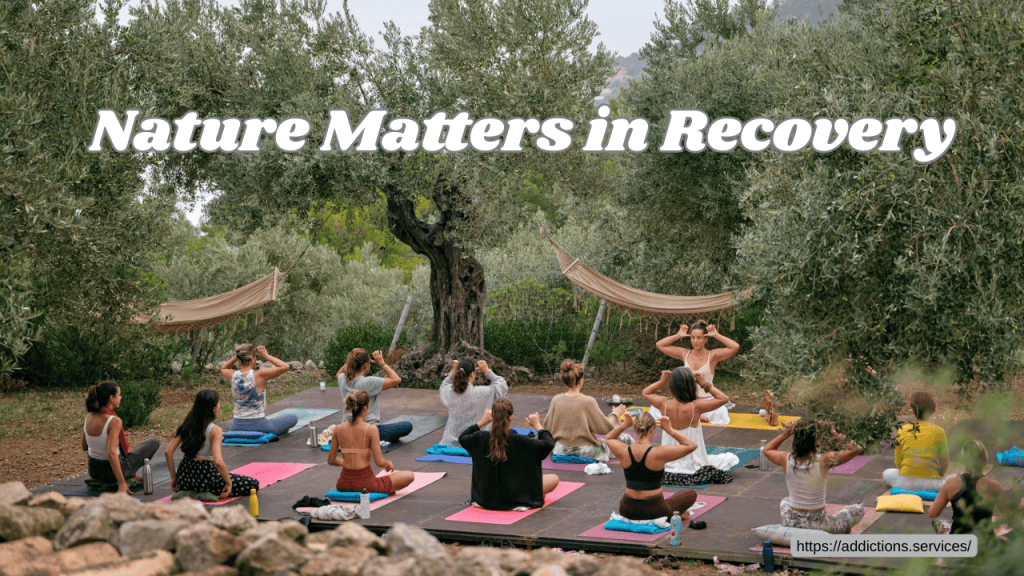
Why Nature Matters in Recovery

Spending time in nature has profound benefits for both mental and physical health. For people in recovery, exposure to green spaces reduces stress, improves mood, and promotes relaxation. Activities such as hiking, gardening, or mindful walks in natural settings help individuals develop a sense of calm and presence, which can be critical in managing cravings and emotional triggers.

Nature therapy also encourages mindfulness. When individuals focus on the sights, sounds, and sensations of the natural world, they become grounded in the present moment. This practice can reduce anxiety and promote mental clarity, providing a solid foundation for other therapeutic interventions.

Creative Expression as a Healing Tool

Creativity is another powerful component of holistic recovery. Art therapy, music therapy, writing, and other forms of creative expression give individuals safe outlets to process emotions and experiences that may be difficult to articulate verbally. Addiction often stems from unresolved trauma, stress, or emotional pain. Creative therapies allow individuals to explore these issues in ways that are non-judgmental and transformative.

Engaging in creative activities also fosters self-confidence and personal growth. Completing a painting, song, or writing project provides a sense of accomplishment and agency, reminding individuals that they can create positive change in their lives. Over time, these practices reinforce healthy coping strategies and enhance emotional resilience.

Integrating Nature and Creativity into Holistic Programs

Residential and outpatient rehab programs that embrace holistic care often weave nature and creativity into daily routines. Mindful outdoor activities may complement individual and group therapy sessions, while creative workshops provide opportunities for self-reflection and skill-building. By combining these approaches with evidence-based therapies such as counseling and cognitive behavioral therapy, individuals receive comprehensive care that addresses the physical, emotional, and spiritual aspects of recovery.

Holistic approaches also support individualized treatment plans. Each person’s journey is unique, and incorporating nature or creativity can be tailored to their interests, abilities, and therapeutic goals. This flexibility ensures that interventions are both engaging and effective, promoting sustained healing.

Long-Term Benefits of Nature and Creative Therapies

Research and clinical experience highlight several benefits of integrating nature and creativity into recovery programs:

  • Reduced stress and improved mood
  • Enhanced emotional regulation and self-awareness
  • Strengthened resilience against relapse
  • Development of new, healthy coping strategies
  • Increased sense of purpose and fulfillment

By addressing both the mind and spirit, these therapies contribute to a more balanced, holistic approach to addiction recovery.

Healing Beyond Traditional Methods

Holistic addiction recovery is about treating the whole person, not just the symptoms of addiction. Nature-based experiences and creative therapies provide essential tools for emotional expression, mindfulness, and personal growth. These approaches, when combined with individualized counseling and medical support, create a comprehensive framework for long-term recovery.

If you or a loved one is seeking a compassionate, holistic program that integrates nature, creativity, and personalized care, reaching out for professional support is the first step. At Addictions Services, our team is dedicated to helping individuals heal deeply and build fulfilling, sober lives.

Healing Beyond the Surface: How Holistic Rehab Treats More Than Just Symptoms

Addiction recovery is not simply about removing substances from daily life. It is about addressing the deeper wounds and unmet needs that fuel the cycle of use. Traditional treatment methods are vital, but many individuals find that they need more than detox and counseling to achieve lasting healing. Holistic rehab takes recovery a step further by treating the whole person—mind, body, and spirit—ensuring that the journey goes beyond surface-level symptoms to create a foundation for long-term wellness.

What Makes Holistic Rehab Different

Holistic rehab programs recognize that addiction is complex. It does not only impact physical health but also mental, emotional, and spiritual well-being. Instead of focusing solely on behavior change, holistic care seeks to restore balance across every part of life.

This approach integrates evidence-based therapies like counseling and medical support with complementary practices such as yoga, mindfulness, nutrition planning, and creative expression. The goal is to help individuals heal at every level, uncover the root causes of addiction, and learn healthy ways to cope with life’s challenges.

Addressing the Physical Body

Substance use often leaves the body depleted, tired, and unwell. A strong recovery plan must begin with restoring physical health. Holistic rehab emphasizes proper nutrition, exercise, and rest to help the body heal.

Activities like yoga and fitness training build strength and resilience, while balanced meals restore energy and support brain health. Complementary therapies such as massage or acupuncture may also be included to ease withdrawal symptoms and promote relaxation. By caring for the body, individuals gain the stamina needed to fully engage in recovery.

Healing the Mind and Emotions

Addiction often masks unresolved trauma, stress, or emotional pain. Holistic treatment provides tools for processing these issues in a safe and supportive environment. Traditional counseling and group therapy are combined with practices like mindfulness, meditation, art therapy, and journaling.

These approaches allow individuals to explore their emotions, increase self-awareness, and develop healthier thought patterns. By nurturing emotional resilience, holistic rehab helps prevent relapse and equips clients to handle stress without turning back to substances.

Restoring the Spirit

Many people struggling with addiction feel a profound sense of emptiness or disconnection. Spiritual healing, whether faith-based or non-religious, plays an important role in holistic care. Practices like guided reflection, time in nature, or spiritual counseling help individuals rediscover meaning and purpose.

For some, faith becomes a source of strength and accountability. For others, simply reconnecting with inner values and personal identity provides a sense of peace and direction. By nurturing the spirit, holistic rehab helps people create lives that feel purposeful and fulfilling.

Lasting Benefits of Holistic Treatment

When recovery goes beyond treating symptoms, it empowers individuals to thrive in every area of life. Holistic rehab promotes:

  • Better physical health and energy
  • Greater emotional stability and stress management
  • Stronger self-awareness and resilience
  • A deeper sense of purpose and connection

By addressing the whole person, this approach reduces the risk of relapse and supports lifelong transformation.

A Path to Deeper Healing

Addiction is not just a surface issue, and recovery cannot be either. Holistic rehab provides a comprehensive and compassionate path that treats the mind, body, and spirit together. By going beyond symptoms, it helps individuals heal at the deepest levels and build a life of balance, strength, and meaning.

If you or someone you love is ready to move past surface healing and embrace true transformation, reaching out for professional support is the next step. At Addictions Services, individualized and holistic care is designed to help every person find lasting recovery and renewed hope.

Why Spiritual Wellness Matters in Overcoming Addiction

Addiction recovery is not only about breaking free from substances. It is about creating a new way of life that feels meaningful, balanced, and sustainable. While medical care and counseling are essential to the process, many people find that true healing also requires spiritual growth. Whether connected to faith, inner peace, or a sense of purpose, spiritual wellness plays an important role in helping individuals overcome addiction and rebuild their lives.

Understanding Spiritual Wellness in Recovery

Spiritual wellness refers to the connection individuals have with their inner selves, their values, and often a higher power or greater purpose. It does not always mean religion, though for many people faith is central to their recovery. For others, spiritual wellness may come from meditation, time in nature, creative expression, or simply developing a stronger sense of meaning in everyday life.

In addiction treatment, spiritual care helps individuals look beyond their struggles and reconnect with hope, resilience, and purpose. This deeper sense of grounding can be a powerful motivator to stay sober and continue moving forward.

How Addiction Impacts the Spirit

Addiction affects more than the body and mind. It often leaves individuals feeling disconnected, hopeless, or empty. When substances become the center of life, personal values, relationships, and passions are pushed aside. This loss of spiritual connection can increase feelings of isolation and despair.

Residential and outpatient treatment programs that prioritize holistic and faith-based approaches understand that recovery must involve healing the spirit as well as the body and mind. By restoring this connection, individuals are better able to find the strength and clarity needed for long-term sobriety.

The Role of Faith and Spiritual Practices

For those who embrace faith, prayer, scripture, and community support can be powerful tools in recovery. Faith-based programs often integrate spiritual counseling with traditional therapies, giving individuals a supportive space to draw strength from their beliefs. This combination provides both practical strategies and spiritual encouragement, reinforcing the journey to sobriety.

Even for those who are not religious, spiritual practices such as mindfulness, meditation, or gratitude journaling can provide a sense of peace and balance. These practices help individuals quiet the mind, reduce stress, and build emotional resilience.

Benefits of Spiritual Wellness in Recovery

  • Stronger motivation to stay sober: A sense of purpose provides the determination to remain on track.
  • Healthier coping skills: Spiritual practices offer alternatives to substance use when facing stress or emotional pain.
  • Improved relationships: Many people reconnect with loved ones as they rediscover their values and integrity.
  • Greater resilience: Spiritual grounding helps individuals navigate challenges without turning back to old habits.

Integrating Spiritual Care with Professional Treatment

Spiritual wellness is most effective when combined with evidence-based addiction treatment. Counseling, medical support, and behavioral therapies create a strong foundation, while spiritual practices provide meaning and inner strength. Together, they form a comprehensive approach that heals the whole person.

At Addictions Services, recovery programs are designed to be individualized and holistic, addressing not only the physical and emotional aspects of addiction but also the spiritual dimension. This approach ensures that every individual receives compassionate care tailored to their unique journey.

Finding Strength Beyond Sobriety

Overcoming addiction is not just about removing substances from life. It is about discovering a new way of living that feels whole, connected, and meaningful. Spiritual wellness provides that deeper foundation, helping individuals heal, grow, and thrive in recovery.

If you or a loved one is seeking a recovery path that supports mind, body, and spirit, reaching out for professional help is the first step. At Addictions Services, compassionate and holistic care is available to guide you toward lasting transformation and a brighter future.

Nutrition, Movement, and Mindfulness: Building a Balanced Recovery Plan

Recovery from addiction is not just about breaking free from substances. It is about rebuilding a healthy, fulfilling life that supports long-term wellness. A balanced recovery plan often goes beyond therapy and medical care, incorporating lifestyle practices that nourish the body, calm the mind, and strengthen resilience. Three powerful pillars of holistic recovery are nutrition, movement, and mindfulness. Together, they provide the foundation for healing that lasts long after treatment ends.

Why a Balanced Recovery Plan Matters

Addiction affects every part of life, including physical health, emotional stability, and mental clarity. While detox and counseling address immediate needs, ongoing recovery requires daily habits that restore balance. By prioritizing nutrition, exercise, and mindfulness practices, individuals can reduce relapse risks, improve mood, and regain a sense of control over their well-being.

Holistic, individualized care recognizes that no two recovery journeys are the same. Integrating these healthy practices ensures that treatment not only addresses addiction but also supports overall quality of life.

Nutrition: Fueling the Body for Healing

Addiction often leaves the body depleted of essential nutrients. Poor eating habits, appetite changes, and substance-related damage can weaken the immune system and affect brain chemistry. Rebuilding physical health begins with proper nutrition.

A recovery-focused diet emphasizes whole foods, lean proteins, fruits, vegetables, and adequate hydration. Balanced meals help stabilize blood sugar, which plays a key role in reducing mood swings and cravings. Nutrient-rich foods also repair damaged tissues and restore energy, giving individuals the strength to fully participate in their recovery journey.

Some treatment centers even provide nutrition counseling as part of residential or outpatient care, helping clients learn how to make healthy choices that support long-term sobriety.

Movement: Restoring Strength and Stability

Exercise is a powerful ally in addiction recovery. Beyond its physical benefits, movement reduces stress, improves sleep, and releases endorphins that naturally elevate mood. Regular physical activity can also rebuild confidence and provide a sense of accomplishment.

Movement does not need to be extreme to make an impact. Gentle practices like yoga, walking, or stretching are just as effective as structured workouts. For many, these activities become healthy coping strategies to replace old habits. In residential rehab programs, guided exercise sessions often help clients reconnect with their bodies while building routines they can continue at home.

Mindfulness: Calming the Mind and Strengthening Focus

Addiction often thrives on cycles of stress, distraction, and impulsivity. Mindfulness offers a way to break these patterns. Through simple practices like meditation, deep breathing, or guided reflection, individuals learn how to stay present and respond thoughtfully to cravings or emotional triggers.

Mindfulness also fosters emotional regulation, helping individuals recognize negative thought patterns before they spiral. By creating space between reaction and response, mindfulness becomes a powerful tool for relapse prevention. Many treatment programs integrate mindfulness training into counseling sessions, group therapy, or daily routines, reinforcing its importance in long-term recovery.

Bringing It All Together

Nutrition, movement, and mindfulness are most effective when combined into a daily practice. Together, they strengthen the body, calm the mind, and provide tools for navigating life’s challenges without turning to substances. A balanced recovery plan that embraces these elements supports healing in every dimension and encourages lasting transformation.

Taking the Next Step Toward Balance

Recovery is about more than avoiding substances. It is about creating a life that feels stable, meaningful, and full of possibility. By integrating nutrition, movement, and mindfulness into addiction treatment, individuals can experience deeper healing and greater resilience. At Addictions Services, holistic and individualized care ensures that clients are supported on every level of their journey.

If you or someone you love is ready to take the next step toward lasting recovery, reach out today. A healthier, balanced future is possible, and it begins with the right support.

From Yoga to Mindfulness: Integrating Holistic Therapies in Addiction Recovery

Addiction is more than a physical struggle. It affects the mind, body, and spirit, leaving individuals feeling disconnected and overwhelmed. While medical detox and counseling remain essential parts of recovery, many treatment centers are embracing holistic therapies as powerful complements to traditional approaches. Practices like yoga, meditation, mindfulness, and other whole-person methods are helping individuals not only achieve sobriety but also rebuild their lives with greater balance and purpose.

The Value of Holistic Healing in Addiction Recovery

Holistic therapies are designed to treat the whole person rather than focusing only on symptoms of addiction. By addressing physical health, emotional well-being, and spiritual connection, holistic care provides individuals with tools they can use throughout their recovery journey. For many, these practices become lifelong habits that help manage stress, prevent relapse, and promote lasting healing.

Residential and outpatient programs that integrate holistic therapies understand that each individual’s recovery journey is unique. These approaches allow for personalized treatment plans that meet clients where they are, creating opportunities for growth in ways that resonate deeply with their values and experiences.

Yoga: Restoring Strength and Balance

Addiction often leaves the body exhausted and out of balance. Yoga is an effective way to restore physical strength while also promoting mental clarity. Through controlled breathing and mindful movement, yoga helps individuals reduce stress, release tension, and reconnect with their bodies. Beyond the physical benefits, yoga encourages self-awareness and self-compassion, both of which are critical for long-term recovery.

Mindfulness and Meditation: Building Emotional Resilience

Mindfulness and meditation teach individuals to focus on the present moment without judgment. This practice is especially valuable in addiction recovery, where stress, cravings, and intrusive thoughts can feel overwhelming. By practicing mindfulness, individuals learn how to pause, breathe, and respond to challenges with clarity rather than impulse. Meditation also promotes inner calm, improved sleep, and greater emotional regulation, making it a cornerstone of many holistic recovery programs.

Creative and Spiritual Therapies

Holistic care often goes beyond yoga and mindfulness. Art therapy, music therapy, and nature-based practices provide healthy outlets for expression and reflection. These methods allow individuals to process emotions and trauma in non-verbal ways, which can be deeply healing. Spiritual counseling or faith-based practices may also be offered, providing a sense of connection and purpose that strengthens recovery.

Integrating Holistic Therapies with Evidence-Based Care

It is important to note that holistic therapies are not replacements for medical treatment, detox, or professional counseling. Instead, they work alongside evidence-based methods to create a well-rounded treatment experience. The combination of traditional care and holistic practices allows individuals to heal on every level and prepare for a life of sobriety that is both sustainable and fulfilling.

A Path to Lasting Wellness

Addiction recovery is not just about avoiding substances. It is about creating a life that feels whole, meaningful, and balanced. By integrating holistic therapies such as yoga, mindfulness, and creative expression, residential and outpatient programs help individuals strengthen their recovery from the inside out. These practices empower people to face challenges with resilience, cultivate peace, and rediscover their true selves.

If you or someone you love is seeking compassionate and comprehensive care, now is the time to explore a treatment program that blends evidence-based care with holistic healing. Recovery is possible, and a healthier, more fulfilling life is within reach.

Whole-Person Healing: The Power of Holistic Methods in Residential Addiction Rehab

Addiction affects every aspect of an individual’s life—physically, emotionally, mentally, and spiritually. Traditional treatment models often focus on addressing the physical and psychological aspects of substance use, but true and lasting recovery demands a more comprehensive approach. Whole-person healing through holistic methods is gaining momentum in residential addiction rehab programs as a way to address all dimensions of well-being, offering individuals a deeper and more meaningful path to sobriety.

Understanding Whole-Person Healing

Whole-person healing, also known as holistic care, is based on the belief that lasting recovery comes from treating the individual as a whole rather than focusing solely on symptoms or behaviors. This approach recognizes that addiction is rarely just a physical issue—it often stems from emotional pain, unresolved trauma, spiritual disconnection, or a lack of purpose.

Holistic treatment in residential rehab integrates various therapeutic modalities that support healing on all levels. These may include physical practices such as yoga and exercise, mental and emotional support through therapy and mindfulness, and spiritual growth through meditation, nature therapy, or values-based reflection.

Physical Wellness and Recovery

Addiction can leave the body depleted and weakened. Holistic rehab programs prioritize physical recovery by incorporating nutrition, fitness, and restorative practices. Nutritious meals help replenish vital nutrients, while regular physical activity like yoga, walking, or strength training improves energy levels, boosts mood, and reduces stress.

Some programs also use complementary therapies like acupuncture or massage to relieve physical tension and help regulate the nervous system, which is often out of balance during early recovery.

Emotional and Mental Healing

Holistic methods support emotional and psychological health by creating space for self-exploration, expression, and growth. Art therapy, music therapy, journaling, and breathwork can help individuals process trauma, release suppressed emotions, and build emotional intelligence.

In addition to traditional counseling and group therapy, these creative and introspective practices provide alternative outlets for healing that resonate with different personalities and experiences. They help individuals reconnect with themselves, recognize inner patterns, and build healthier emotional responses.

Spiritual Connection and Inner Peace

Spirituality is a personal and often transformative element of holistic rehab. Whether through structured spiritual counseling, guided meditation, or time spent in nature, holistic programs encourage individuals to reconnect with a sense of purpose, values, and meaning. This spiritual connection often becomes a guiding light in recovery, helping individuals stay grounded and resilient in the face of life’s challenges.

Spiritual healing doesn’t necessarily require religion—it’s about fostering a deeper relationship with oneself and the world. This internal grounding provides comfort, inspiration, and a renewed sense of hope.

Conclusion

Whole-person healing through holistic methods empowers individuals to reclaim their lives on every level. By addressing the mind, body, and spirit, residential rehab programs that use holistic approaches offer a truly integrative path to recovery. These methods don’t just treat addiction—they nurture transformation, build resilience, and help individuals discover a life filled with purpose, health, and inner peace. For many, holistic rehab is the key to not just surviving addiction, but thriving beyond it.

How Family Involvement Improves Outcomes in Residential Addiction Treatment

Addiction is often described as a family disease because it affects not just the individual, but also their loved ones. Family dynamics, communication patterns, and emotional ties all play a role in the development and progression of substance use disorders. In residential addiction treatment, involving the family can significantly enhance recovery outcomes by fostering understanding, healing relationships, and building a strong support system.

Rebuilding Trust and Communication

Addiction often damages trust and breaks down communication within families. Family involvement in residential treatment allows for these issues to be addressed in a structured and supportive environment. Through family counseling sessions, loved ones can express their feelings, learn healthy communication strategies, and begin the process of rebuilding trust.

Trained therapists guide these interactions to ensure that conversations are productive and healing. Open dialogue helps reduce blame and resentment, replacing it with empathy, understanding, and a commitment to moving forward together. Improved communication strengthens family bonds and provides the emotional support individuals in recovery need.

Education and Awareness

Many families struggle to understand the complexities of addiction. They may view it as a moral failing or a matter of willpower, leading to misunderstandings and judgment. Family involvement in treatment provides an opportunity for education on the nature of addiction, its psychological and physiological effects, and the recovery process.

When families learn that addiction is a chronic, treatable condition, they can shift their perspective and offer more constructive support. Education also includes learning about relapse prevention, boundary setting, and how to avoid enabling behaviors. This knowledge empowers families to play an active and informed role in their loved one’s recovery journey.

Creating a Supportive Home Environment

Recovery doesn’t end when an individual completes residential treatment. The home environment they return to can significantly impact their ability to maintain sobriety. Families who are involved in the treatment process are better prepared to create a stable, supportive, and substance-free home.

This may involve setting healthy boundaries, reducing stressors, and encouraging participation in aftercare programs or support groups. A strong, unified family system helps reduce the risk of relapse and reinforces the healthy habits learned during treatment.

Healing the Entire Family Unit

Addiction often brings dysfunction, trauma, and emotional pain to the entire family. Involving the family in treatment acknowledges that healing is needed not just for the individual in recovery, but for everyone affected. Family therapy helps address codependency, unresolved conflicts, and patterns of behavior that may contribute to ongoing stress or dysfunction.

When the whole family heals together, the chances of lasting recovery increase. The family becomes a source of strength and resilience rather than conflict and tension.

Conclusion

Family involvement in residential addiction treatment is a powerful tool for improving outcomes. It fosters open communication, provides education, and creates a healing environment that supports long-term recovery. By addressing the needs of the entire family unit, residential treatment programs can help individuals build stronger foundations for sobriety while promoting lasting emotional and relational health. A family that heals together becomes a cornerstone in the journey to lasting recovery.